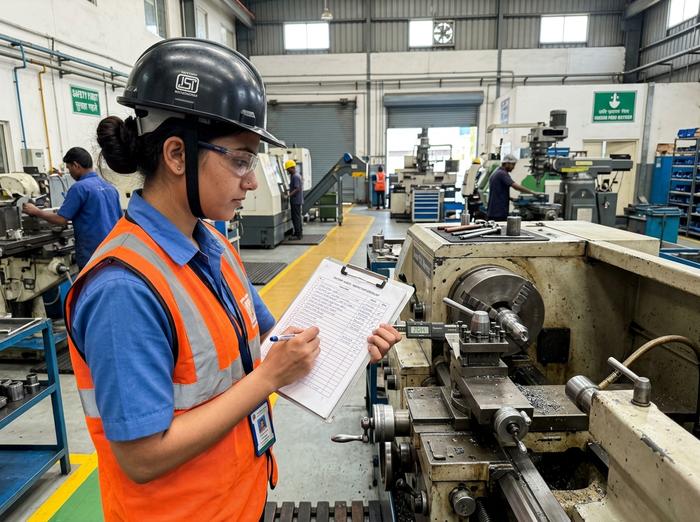
A single order rarely comes from a single workshop in India. The furniture may be made in Jodhpur, the brass fittings cast in Moradabad, and the cushion covers printed in Jaipur — three factories, three cities, one container, and one buyer who expects every piece to match. The risk in an order like this is not any one factory. It is the gaps between them: a different understanding of the specification here, a different idea of what counts as a defect there, and nobody comparing the pieces side by side until they are already packed. Coordinating inspections across several factories is how those gaps get closed before the goods leave India.
1. Why one order ends up across several factories
Most multi-factory orders happen for a good reason: different places do different things well. Jodhpur workshops shape solid wood, Moradabad foundries cast brass, Jaipur printers run block prints, and Bhadohi looms weave carpets. A buyer who wants a room set — a cabinet, matching lamps and cushion covers — is naturally buying from three kinds of maker, and no single workshop could make all three to the same standard.
Sometimes the split is about capacity instead of craft: one workshop cannot finish the quantity in the time available, so the order is shared between two makers of the same kind. Either way, the order is one order to the buyer and several separate production runs to the makers. The inspection plan has to be built for that reality from the start, because treating each factory as its own small order is exactly how mismatched goods end up in the same container.
2. Start with one specification every factory works from
Before any inspection is scheduled, every factory should be working from the same written specification: the product, the dimensions, the materials, the finish, the packing, and the approved sample each factory measures itself against. When each factory receives its own version of the requirements — one by email, one over the phone, one through an agent's notes — small differences creep in, and those differences are what the inspection later has to catch.
The specification should also settle, in writing, how defects are classified and how much sampling applies at each factory. A scratch that one factory calls minor and another calls major will produce two reports that cannot be compared, and a buyer reading them will not know whether the order passed or failed. Agree one classification — what counts as critical, major and minor — and one sampling level, and use it everywhere. Our guide to what happens during a pre-shipment inspection in India explains the stages an inspection follows, and our comparison of PSI, DPI and FRI inspections helps you choose which stage fits each factory's progress.
3. Sequence the inspections around production, not around your calendar
Factories finish on their own dates. One may be ready on a Tuesday, another the following Monday, and the third still waiting on material. The inspection schedule has to follow those dates, not a single convenient day picked weeks in advance. An inspection that arrives before production is finished checks unfinished goods and tells you very little; an inspection that waits for the slowest factory leaves finished goods sitting packed, where they can be damaged, mixed with other orders, or opened and repacked without anyone recording it.
The practical approach is to inspect each factory when its goods are ready — production complete, goods packed — and to leave room after every inspection for rework and a second look if something fails. Build the container date backwards from the last re-inspection, not forwards from the first inspection. And agree the sequence with all the factories before production starts, so nobody is surprised by the visit and nobody holds their goods back waiting for a date that keeps moving. That conversation belongs in the pre-production meeting with each supplier, where the inspection dates are set alongside the production dates.
4. One checklist and one defect language for every factory
The simplest way to keep several inspections comparable is to give every inspector the same checklist: the same checks in the same order, the same photo requirements, and the same way of writing up what they find. A report that says "three pieces with finish marks on the top edge, photographed" can be weighed against another report written the same way; a report that says "some quality issues found" cannot be weighed against anything.
Photos matter most where factories differ. Ask for the same set from each one: the goods overall, close-ups of the finish, the packing, and the carton markings. When the reports arrive, those photos are what let you compare a brass finish from Moradabad with a wood finish from Jodhpur and see whether they belong in the same room. Our guide to what a good inspection report looks like sets out the photo and detail standard to ask for, and our guide to reading a factory audit report explains how to weigh findings when the wording differs between factories.
5. One travelling inspector or a local inspector in each city
There are two ways to staff inspections across several cities, and both can work. One inspector travelling between the factories sees everything with the same eyes, which is a real advantage when the order has to match: the same person notices that the Jaipur print runs warmer than the Jodhpur stain, or that one factory's packing is visibly weaker than another's. The trade-off is the calendar — one person can only be in one city at a time, so the visits have to be sequenced and travel days built into the plan.
The alternative is an inspector based in each city, visiting each factory on its own readiness date. That keeps the schedule tight and the visits well timed, but it only works if every inspector uses the same checklist, the same defect classification and the same photo standard — otherwise you receive several reports that describe the same order in different languages. Whichever arrangement you choose, one person should pull the reports together and read them as a single order, not as separate jobs. That reader is the one who spots the mismatch between factories, and they need every report in the same format to do it.
6. What to do when one factory fails and the others pass
Sooner or later, one factory in a multi-factory order will fail its inspection while the others pass. The mistake is to treat that as a reason to hold everything, or as a reason to ship everything anyway. Decide the rule before it happens: the failed portion is reworked and re-inspected on its own timetable, and the passed goods are held separately, clearly marked, until the whole order is decided.
That decision needs the full picture, which is why the reports should arrive together rather than one at a time. A single failed factory with a small, fixable defect is a delay of days; the same failure discovered only when the container is being loaded is a missed shipment. Keep the failed goods out of the container, confirm the rework in writing, and re-inspect the corrected pieces rather than accepting a photograph of the repair. The other factories' goods are not the problem, and they should not be punished for a failure that was never theirs — but neither should they be shipped alongside goods that have not yet passed.
7. Pull it together: one consolidated report and a final loading check
The last step is the one buyers most often skip: a single summary that puts every factory's result side by side. One page per factory, each with its result, its defects, and the status of any rework — and one summary page that answers the only question that matters: is the order, as a whole, ready to ship? That summary is also where cross-factory matching is checked: do the colours sit together, do the finishes agree, do the pieces from different cities look like one order?
The container loading check is the final gate. It confirms the counts, the carton markings, and that only goods which passed inspection are being loaded — nothing from a failed batch slipped in during packing. If your order also combines goods from several suppliers into one shipment, our guide to consolidating shipments from multiple Indian suppliers covers the packing and documentation side. The loading check is where the inspection work done in three different cities finally becomes one shipment, and it is worth treating as an inspection in its own right rather than a formality at the end.
An order spread across several Indian factories is not a complication to be avoided; it is how the best of each craft gets into one shipment. The work that makes it succeed is done before anyone picks up a measuring tape: one specification shared by every factory, one way of classifying defects, inspections timed to each factory's readiness, and one person reading all the reports as a single order. Plan it that way, and the container that leaves India holds pieces from three cities that look as though they were made in one workshop — because, for the buyer, they were.
Frequently asked questions
Can a single inspector cover factories in different cities?
Yes, if the visits are sequenced around each factory's readiness and travel days are built into the plan — the advantage is one pair of eyes judging the whole order to the same standard. When two factories are ready on the same day in different cities, a second inspector using the same checklist keeps the standard identical.
Should all the inspections happen on the same day?
Only if every factory is ready on the same day, which is rare. Inspect each factory when its production is complete and its goods are packed; a same-day inspection that arrives too early checks unfinished goods and tells you very little about what will actually ship.
What if the factories finish production on different dates?
Inspect each one as it becomes ready, hold the results, and make the shipping decision once every report is in. The loading check is the point where the separate results come together, so keep the passed goods marked and separate until that decision is made.
How do I keep the inspection reports comparable?
One checklist, one defect classification, one sampling level and the same photo requirements for every factory — plus one summary that puts the results side by side. If the reports are written to different formats, have one person rewrite them into a single consolidated report before you decide anything.

Published by QualityLink Global Sourcing Team
Operating directly out of Jodhpur and Jaipur, Rajasthan. Our team provides hands-on supplier verification, factory audits, moisture testing, quality control, and container loading supervision across North India.
Need On-the-Ground Sourcing or QC Support in India?
If you have a prospective supplier in Rajasthan or North India, an active production run, or upcoming container loading, we can step onto the factory floor to verify specs and eliminate export risks.