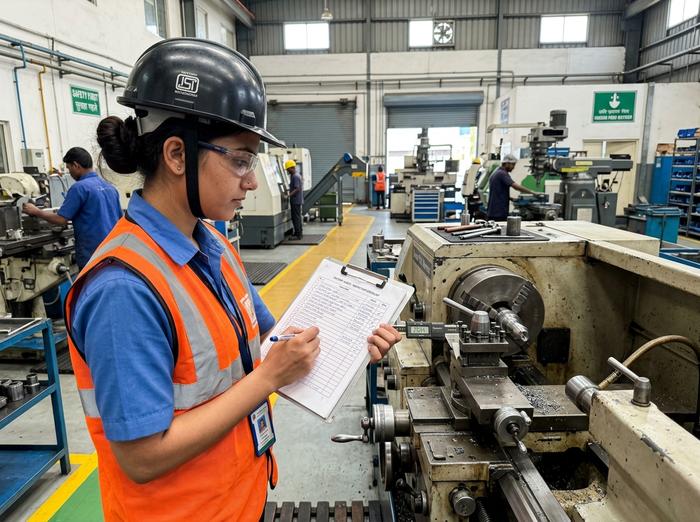
A factory audit report is a comprehensive assessment of a manufacturing facility's capability, quality systems, and compliance. Understanding what these reports tell you — and what they don't — helps you make better sourcing decisions.
Key Areas Assessed
Factory audits typically evaluate: production capacity and machinery, quality management systems (ISO certification, internal QC processes), workforce skills and training, material sourcing and inventory management, health and safety conditions, environmental practices, and social compliance (labour practices, working hours, child labour).
Reading the Scores
Most audit reports use a scoring system — typically 0-100 or a letter grade. Scores above 80 (or A/B grade) generally indicate a capable, well-managed factory. Scores between 60-80 suggest improvements are needed. Below 60 is usually a warning sign.
Red Flags in Audit Reports
- No documented quality procedures
- High worker turnover (indicates management problems)
- No fire safety equipment or emergency exits
- Signs of child labour or excessive overtime
- No raw material traceability
- Previous audit findings still unresolved
What Audit Reports Don't Tell You
An audit is a snapshot in time. It tells you about systems and processes, but not about day-to-day execution. A factory can score well on an audit but still have quality issues in production. That's why production inspections remain essential.
How Often to Audit
For new suppliers: always before placing your first order. For existing suppliers: annually for large accounts, every 18-24 months for smaller accounts. And whenever you notice quality trends declining.
Need Ground-Level Sourcing or Quality Control in India?
QualityLink Global is based in Jodhpur. We perform on-site factory audits, pre-shipment inspections, and container loading supervision across Rajasthan and North India.
🛒 Related Products & Services
Interested in sourcing these products? We are based in Jodhpur and can help. Get a free quote →