Independent Quality Inspection Before Shipment
An inspector who works for you — not for the factory — checks your goods on site and sends you a photo report before you pay the balance. This page is the buyer's side of that job: when to book, what to send before the visit, how to read the report, and what to do when the goods fail
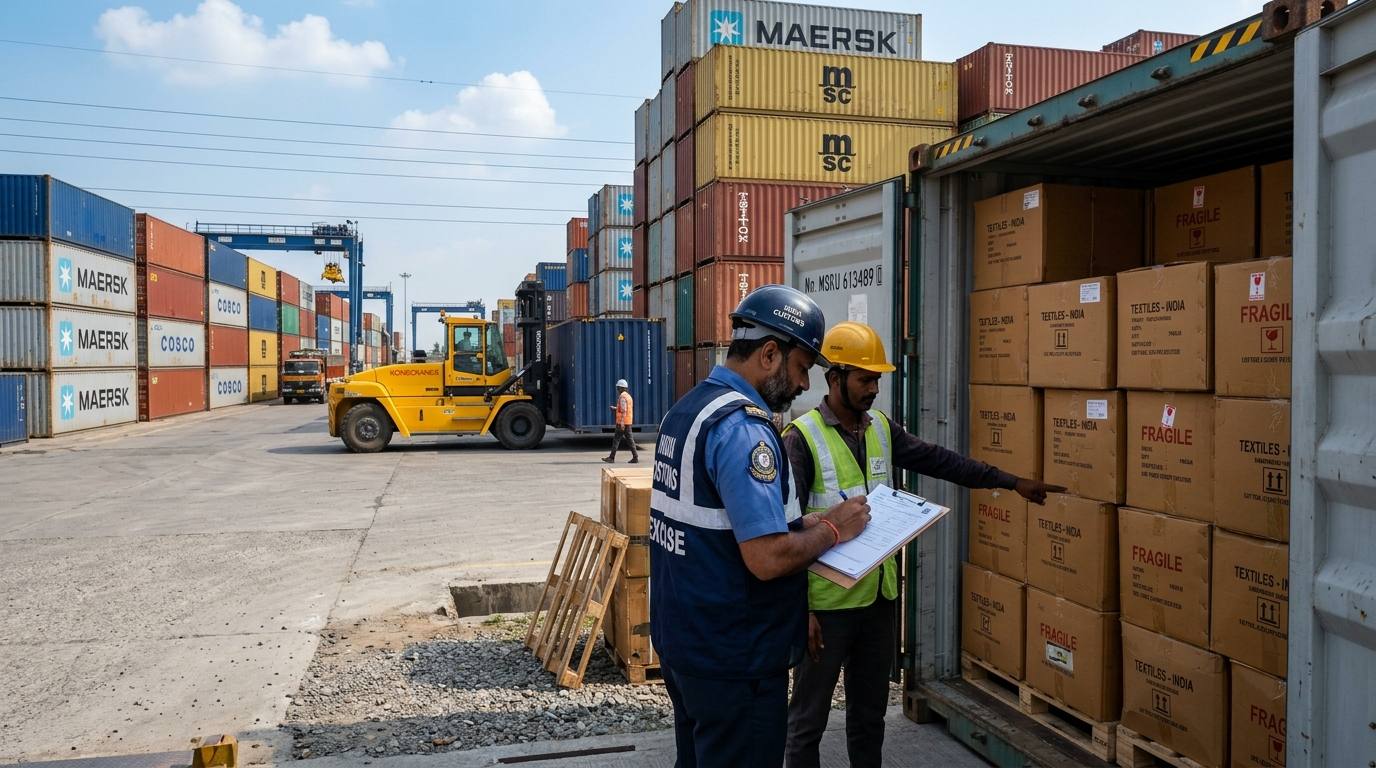
Book Early, Send the Right Papers, Read the Report Before You Pay
Four checks exist, each answering a different question: a pre-shipment inspection when the order is 80% or more complete and packed, a during production inspection at 20–60%, a final random check on sealed cartons, and supervised container loading. Each has its own page; our quality control inspection page puts all four side by side.
A factory's own QC team works for the factory. It can be honest and still miss what matters to you: its job is to move goods out of the door, not to judge them against your spec. An independent inspector is paid by you and takes nothing from the factory. The full case is on our third party inspection page.
Inspection is charged per man-day on site: Jodhpur $200, other Rajasthan cities $300, outside Rajasthan $350–$500. We confirm the cost before we book. Sourcing and QC work more broadly runs at a 5–10% commission on order value or a $1,500–$3,000 monthly retainer, and the first consultation call is charged — the minimum fee is USD 200.
- At the purchase order: tell us the factory, the product and the production dates. Booking now keeps every window open.
- DUPRO window: production at 20–60% complete. Miss it and the run is finished before anyone has looked at it.
- PSI window: goods at least 80% complete and packed. Book as soon as the factory gives a ready date.
- Loading: tell us the stuffing date as soon as the factory sets it. Loading often runs late in the day.
- Booked late: if the goods are already packed and the container is booked, a PSI can still run, but a DUPRO cannot.
Four Numbers That Decide Your Inspection
What to Send the Inspector Before the Visit
An inspector checks against what you sent. Send nothing, and the visit can only describe what it sees — it cannot say whether it is right
Your Spec Sheet
Product, materials, sizes, finish, colours and tolerances in one sheet — not scattered through an email thread.
The Approved Sample
The piece you signed off, or clear photos of it with notes on what you accepted — finish on furniture, colour range on stone.
Packing List & Order Details
Quantity, carton count, carton marks and the order number. The inspector counts against this list.
Your Acceptance Limits
AQL 2.5 for major defects and 4.0 for minor; any critical defect fails the piece. Tell us before the visit if you need a tighter level.
Packing & Labelling Instructions
Carton strength, cushioning, dividers, labels, barcodes and care instructions. Export packing is where many orders fail quietly.
Factory Contact & Schedule
Factory name, address, contact person, production dates and the ready date. The factory should know the inspector is coming.
How to Read the Inspection Report
The report arrives before the balance is due. Read it in this order, and do not pay until you have read all of it.
Start with the verdict, then read backwards
Every report opens with a verdict: Cleared, Hold or Rework. Cleared means the sampled lot passed your limits and the balance can move. Hold means something needs your decision first — a short count, a missing certificate, a defect the factory will fix. Rework means the lot failed and named defects must be fixed before anything ships.
What each part of the report is telling you
The header fixes the order: factory, product, quantity, date, and the sample size drawn. The quantity section compares the cartons and pieces counted against your order — a short count is the simplest finding and the one buyers miss most often. The quality section lists each defect with a photo, a grade, and the piece it came from. Packing covers cartons, cushioning, labels and barcodes; function records what was tested on the sampled pieces. If a section is thin, ask why before you pay.
Defect grades in plain terms
Critical means the piece cannot be sold or used safely — a chair leg that snaps, a part left out, a switch that sparks. One critical defect fails the piece. Major means the piece is not what you ordered — the wrong shade, a cracked slab, seams that pull apart — and the lot passes or fails on how many the sample holds. Minor means a small flaw a buyer would notice but might still live with. Our AQL sampling guide explains the limits.
What the photos should show
A good report photographs every defect close up, with a note of which carton and piece it came from, and the goods in general — stacked cartons with their marks, a spread of pieces laid out, the packing inside an opened carton. If the photos show only three perfect pieces, the report has not shown you the lot.
What Hold and Rework mean for your payment
On a Cleared report you can release the balance. On a Hold, do not release it until the named point is settled — a short count made up, a missing certificate sent, a defect agreed in writing to be fixed. On a Rework, the balance stays where it is until the fixed pieces are re-inspected. Agree this with the factory before production starts: balance after a passed report.
What to Do When the Inspection Fails
A failed report is not the end of the order. It is a list of named defects with photos — and that list is what gets the order fixed, or gets you out of it.
- Read the whole report before you reply to the factory: do not argue from the verdict line alone. The defect list is what the factory has to fix, defect by defect.
- Send the defect list back, with the photos: each defect, its grade, the piece and carton it came from. Ask the factory to say in writing which defects it will fix and how.
- Agree the rework in writing, with a date: what gets fixed, what gets replaced, and when the fixed pieces will be ready. A verbal promise to sort it out is not a rework plan.
- Book the re-inspection before the rework starts: the re-inspection checks the fixed pieces, not the whole lot again, and it needs a date held. A re-inspection is charged per man-day, like the first visit.
- Hold the balance until the re-inspection passes: the balance is your only hold over the factory once the goods are made. Releasing it on a promise removes it.
- Know when to walk away: if the factory will not fix critical defects, blames the spec it agreed to, or asks for full payment before rework, the order is not going to get better. The report is your record — use it to renegotiate the price, cancel the balance, or take the order elsewhere.
How to Pick an Inspector
Ask these six questions before you hire anyone to check your goods. The answers tell you whether the report will be worth acting on.
Who pays them?
Ask where the inspector's fee comes from. If the factory pays, the report answers to the factory. An inspector paid by you has no reason to pass goods that fail.
Have they inspected your product before?
Furniture, stone, brassware, textiles and carpets each fail in their own way. Ask what they check on your product — joints on furniture, colour range on stone, stitching on textiles.
What does the report look like?
Ask to see a sample report before you hire them. It should carry photos of every defect, a grade for each one, carton and piece numbers, and a clear verdict.
Do they know the factory's area?
An inspector based in Jodhpur reaches Jodhpur factories the same day; travel elsewhere adds man-days and cost. Ask how the visit is charged before you book.
Will they go back if it fails?
Ask who chases the rework and who re-inspects it. An inspector who files the report and disappears leaves you to argue with the factory alone.
Can you talk to them before the visit?
A short call before the visit settles the spec, the sample, the AQL level and the acceptance limits. If the inspector will not talk before the visit, they will be guessing on the day.
More Inspection & Verification Pages
Independent inspection is the last check before you pay — the pages below cover the types and the steps around it.
Third Party Inspection
The third-party model — PSI, DPI and FRI for buyers abroad
Pre-Shipment Inspection
PSI in detail — timing, sampling and the report
During Production Inspection
The mid-run check, before the goods are finished
Container Loading Inspection
Loading supervision, after the goods pass inspection
How to Verify a Supplier
Verify the supplier before you pay — documents and visits
How to Find Manufacturers
How to shortlist factories in the right cluster
Quality Control Inspection
The four types side by side, so you can choose
Who This Guide Is For
This guide is written for the buyer who has to act on the report — not for the factory, and not for the inspector
Retailers & Importers
Book the visit, read the report, release the balance only on a pass.
Brands & Private Label
Your spec, your sample and your limits — sent before the visit, checked on the day.
E-commerce Sellers
The same papers sent on every repeat order, so quality stays steady and returns stay low.
First-Time Buyers
Your first order with a new factory — book at the purchase order and hold the balance on the report.
Distributors
Large lots need the mid-run visit as well as the final one, so a repeated fault is caught early.
Hotels & Projects
Hotel and project orders — custom furniture, stone and décor — checked by an inspector who works for you, not for the factory.
Independent Inspection — FAQ
How far ahead should I book an inspection?
Give us 3–5 days' notice before the visit, and tell us the factory and the expected ready date as soon as the purchase order is placed. A DUPRO has to land while production is at 20–60%, and a PSI needs the goods at least 80% complete and packed — both windows are missed if you wait until the goods are ready.
What should I send the inspector before the visit?
Send the spec sheet, the approved sample or clear photos of it, the packing list with quantity and carton marks, your acceptance limits, the packing and labelling instructions, and the factory contact with the production dates. The inspector checks against what you sent — with no spec and no sample, the visit can describe what it sees but cannot say whether it is right.
What does a Hold verdict mean for my payment?
A Hold means something in the report needs your decision before money moves — a short count, a missing certificate, or a defect the factory says it will fix. Do not release the balance until the named point is settled in writing. A Cleared verdict means the sampled lot passed and the balance can move; a Rework verdict means the lot failed and the fixed pieces are re-inspected first.
What if the factory refuses to fix a failed order?
Send the defect list back with the photos and ask the factory to say in writing which defects it will fix and how. If it will not fix critical defects, blames the spec it agreed to, or asks for full payment before rework, the order is not going to get better. The report is your record — use it to renegotiate the price, cancel the balance, or take the order elsewhere.
How do I choose an inspector I can trust?
Ask who pays them — an inspector paid by you, the buyer, has no reason to pass goods that fail. Ask whether they have inspected your product before, ask to see a sample report with photos and grades, and ask who chases the rework and re-inspects it if the order fails. Write to us at qualitylinkglobal@gmail.com or use our contact page — the first consultation call is charged — the minimum fee is USD 200.