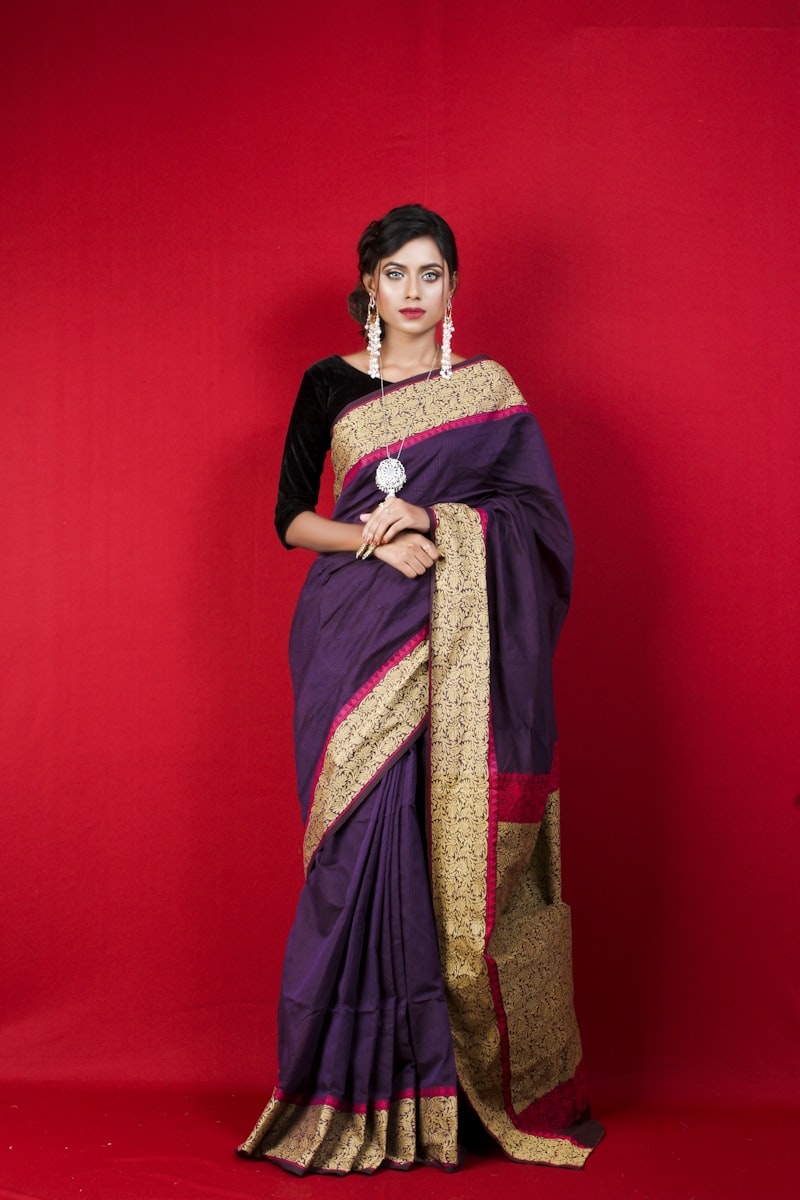
Bandhani — Rajasthan's traditional tie-dye technique — produces some of the most beautiful and labour-intensive textiles in India. Each dot in a Bandhani pattern is a tiny knot tied by hand before dyeing, creating intricate patterns that can take weeks to produce.
How Bandhani Is Made
Artisans (usually women) use their fingernails to pinch tiny folds of fabric and tie them with thread. The tied areas resist the dye, creating the characteristic dot patterns. Multiple rounds of tying and dyeing produce multi-coloured patterns. A single stole might have 500-2,000 individual ties.
Quality Grades
Quality is determined by: knot size and consistency (smaller, more uniform knots = higher quality), pattern complexity, colour vibrancy, fabric quality (silk, cotton, or georgette), and dye fastness.
Pricing Factors
The most expensive Bandhani uses pure silk with intricate patterns and natural dyes. Simpler patterns on cotton are more affordable. The labour intensity means even 'affordable' Bandhani commands higher prices than machine-printed alternatives.
Popular Applications
Bandhani is used for: scarves and stoles, sarees, dress materials, cushion covers, and wall hangings. The most popular export products are stoles and scarves — they're small enough for easy shipping and have universal appeal.
Need Ground-Level Sourcing or Quality Control in India?
QualityLink Global is based in Jodhpur. We perform on-site factory audits, pre-shipment inspections, and container loading supervision across Rajasthan and North India.
🛒 Related Products & Services
Interested in sourcing these products? We are based in Jodhpur and can help. Get a free quote →