Sports equipment operates under extreme physical impact, stress, and player safety demands. A defect in a cricket bat handle, a bursting seam on a football, or inadequate padding in a batting helmet can lead to product recalls, distributor chargebacks, and legal liability.
This technical inspection guide details the physical testing protocols, AQL sampling procedures, and on-site checklist QualityLink Global uses for sports goods inspection across Meerut, Jalandhar, and North India.
1. AQL Sampling & Batch Selection for Sports Gear
Under international standard AQL sampling standards (ISO 2859-1) Level II normal sampling, inspection batches are selected randomly across master cartons. The standard acceptance quality limit (AQL) applied is:
- Critical Defects: 0.0 (Severe safety risks: cracked bat handles, exposed needle points, toxic PVC plasticizers).
- Major Defects: 2.5 (Functional failures: ball air leaks, seam splits, wrong weight/dimension, peeling leather finish).
- Minor Defects: 4.0 (Cosmetic issues: slight label misalignment, minor glue residue, minor barcode print imperfections).
2. On-Site Physical Tests for Cricket Bats
- Moisture Content Measurement: Pin-type digital moisture meter testing at 3 points (toe, sweet spot, shoulder). Target: 10%–12%. Moisture above 14% causes severe dead weight and premature wood splitting.
- Weight & Balance Verification: Precision scale weighing in ounces/grams without grip and with grip. Checking pick-up index and center of gravity balance point.
- Handle Joinery Stress Test: Dynamic torque and deflection test on the 12-piece cane handle to ensure no internal delamination or loose glue joints.
- Mallet Ping & Rebound Check: Rebound acoustics test using a leather ball mallet across the blade face to identify hollow or dead spots.
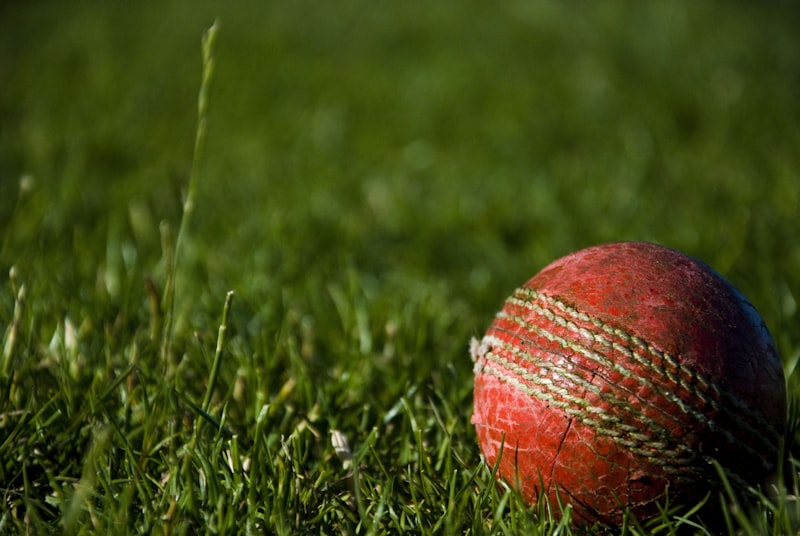
3. On-Site Tests for Leather Cricket Balls
- Weight & Circumference Gauging: Weight test (Men: 155.9g to 163.0g, Women: 140g to 151g) and go/no-go ring gauge circumference test (22.4cm to 22.9cm).
- Seam Stitch Count & Tension: Counting total hand stitches (75–85 stitches) and checking seam straightness and thread lock-knot security.
- Drop & Rebound Test: Dropping ball from a height of 2 meters onto a solid marble/concrete slab and measuring rebound height (target: 1.1m to 1.3m).
- Water Absorption Test: Immersion test to confirm water resistance of the nitrocellulose/lacquer coating.
4. On-Site Tests for Inflatable Balls (Football, Rugby, Volleyball)
- 24-Hour Air Pressure Retention: Inflating sample balls to 0.8–1.0 bar (11.6–14.5 psi) and measuring pressure loss after 24 hours (maximum allowed loss: <10%).
- Sphericity & Circumference Check: Measuring 16 points around the ball to verify roundness tolerance (≤1.5% variation).
- Shooting & Drum Impact Test: Subjecting balls to 2,000 pneumatic impacts at 50 km/h to check seam strength and bladder integrity.
5. Packaging, Barcode & Carton Drop Testing
Export packaging must protect sports goods during 30+ days of ocean transit. QualityLink Global inspectors perform:
- ISTA 1A Carton Drop Test: 1 corner, 3 edges, and 6 faces dropped from 76–90 cm onto concrete.
- Barcode Scan Verification: 100% scan check of UPC/EAN retail barcodes.
- Desiccant Verification: Ensuring adequate silica gel pouches inside moisture-barrier polybags.
Inspection Deliverables You Receive
Following inspection completion, QualityLink Global delivers an actionable, photo-documented PDF report within the agreed reporting timeframe containing high-resolution defect photos, exact measurements, pass/fail recommendations, and inspector sign-off.
Book a Sports Goods Pre-Shipment Inspection
Protect your brand reputation and ensure every shipment meets strict international sports standards.
Schedule a Pre-Shipment Inspection →