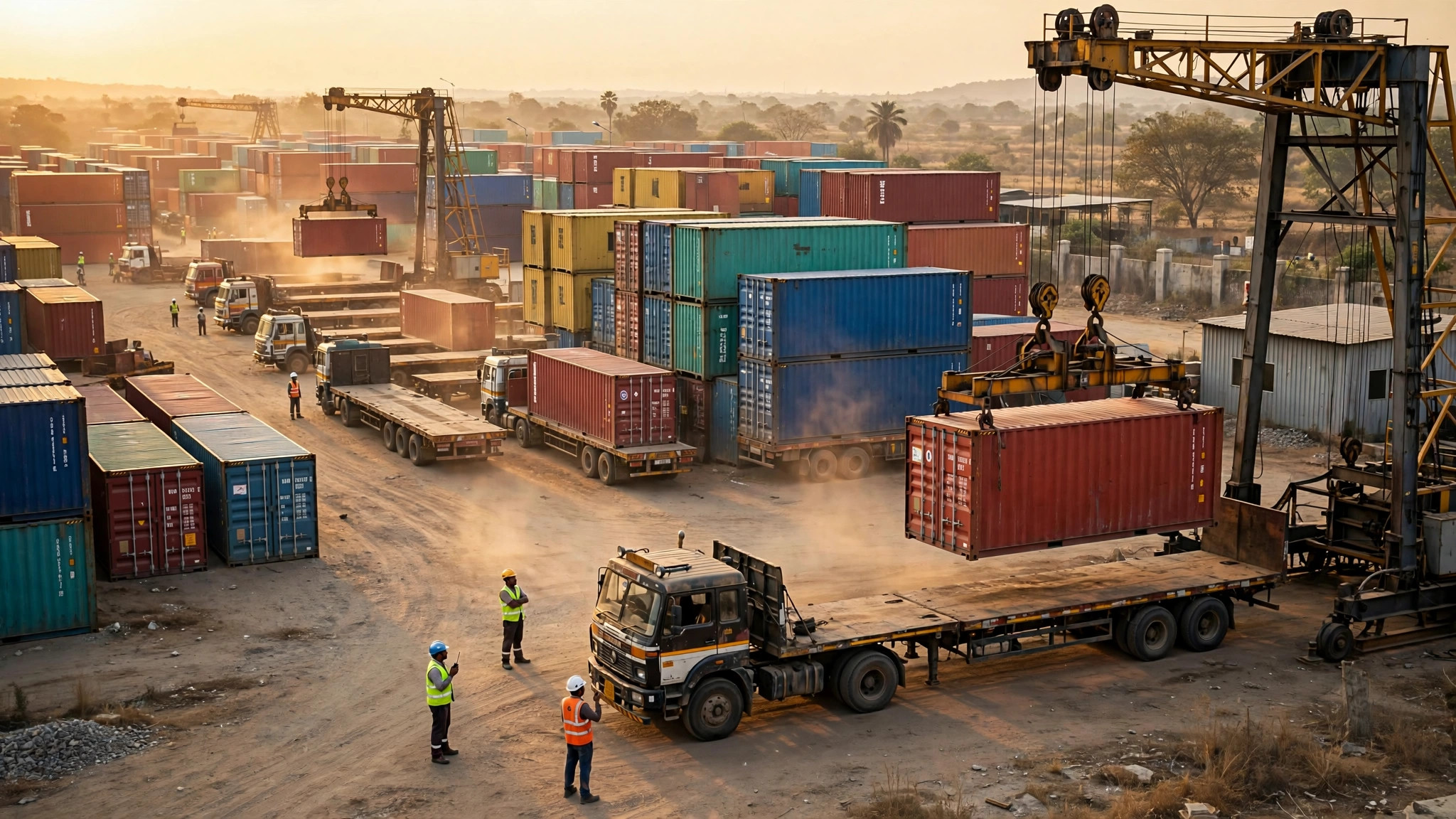
For twenty years the sourcing playbook was simple: find the cheapest unit price and fill the container. Then the last few years delivered a freight spike that quadrupled rates in a season, tariff changes that erased a season's margin overnight, and port congestion that added weeks to transit nobody had planned for. No purchase-order clause fixed any of it. The importers who slept best through that stretch were not the ones with the lowest prices. They were the ones whose supply chains could bend without breaking: more than one qualified supplier, specifications in writing, and inspection gates that could stop a bad shipment before the balance payment left the account. This guide is the practical plan for building that kind of supply chain in India in 2027: what to do, in what order, and the trade-offs to watch.
1. Why Resilience Beats the Lowest Price in 2027
A resilient supply chain is not an expensive supply chain. That is the first thing to get straight, because buyers hear "resilience" and picture consultants and overhead. In practice it is a short list of unglamorous habits. Keep two qualified suppliers for anything that represents serious revenue. Write the product specification the way a contract lawyer would, not the way a WhatsApp message would. Inspect before the money is gone. Plan freight around the festival calendar instead of being surprised by it. Each of those costs a little time up front. Each of these steps can prevent losses far larger than the cost of the step itself. One stopped container alone, with its return freight and rework, typically costs more than a full year of inspections.
The buyers struggling right now are usually not short on suppliers. They are short on qualified ones. Ten names on a spreadsheet mean nothing if none of them has been through a document check, a factory walkthrough, and a trial order that passed inspection. A resilient chain is measured in suppliers you have actually verified, not suppliers you have emailed.
2. Start With Your Own Purchase Data, Not a Country Strategy
Resist the urge to open with "let's shift to India." Open with your own numbers instead. Pull your top twenty SKUs by annual spend and ask three questions about each. Is it single-sourced? How long is its real lead time, door to door, not factory gate to factory gate? How many quality claims did it generate last year? The products that score badly on all three are your 2027 roadmap. They are where a disruption hurts most and where a second source pays back fastest.
Then, and only then, ask which of those products India makes well. India is not a universal substitute for another country. India leads in wooden furniture, handloom textiles, rugs, stone, brass and metal decor, ceramics, and leather goods: categories with deep artisan clusters and decades of export infrastructure behind them. If your flagged SKUs sit in those categories, you are looking at the right country. If they are electronics or mass-produced plastics, India is probably not your answer, and an honest agent will tell you so.
3. Vet Factories the Boring Way: Documents, Shop Floor, References
The flashy way to vet a supplier is a slick website and a fast quote. The way that works is considerably duller. Ask for the GSTIN registration and the Import-Export Code and check that the company name on both matches the bank account the advance is going to. Ask for bills of lading or references from buyers in your region. Photos of finished goods prove nothing. Take a live video walkthrough of the shop floor and count the workers, the machines, and the finishing booths against the capacity the supplier claims. A unit promising five containers a month with twelve carpenters and no seasoning shed is making promises it cannot keep.
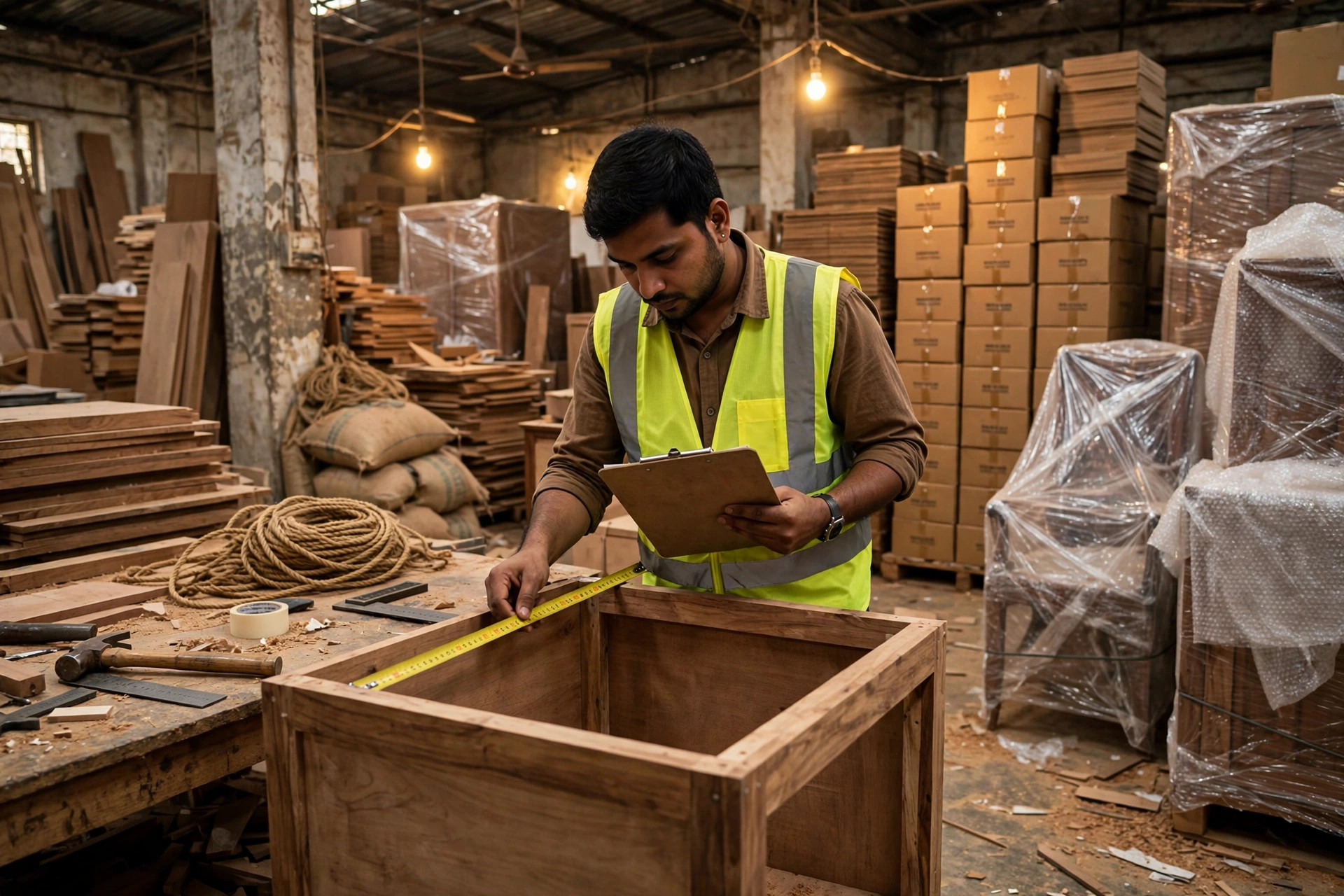
Two things separate a factory from a trading middleman, and both are checkable. Manufacturing-registered GST documents and industrial power connections are hard to fake; traders deal from offices and add their margin, while having no control over what happens on the shop floor. If you cannot visit in person, a professional supplier verification visit by a team on the ground in India pays for itself many times over. A verification report that records the actual condition of a vendor's premises gives buyers documented leverage when recovering deposits.
4. Split Volume Across Two Suppliers Before You Split Countries
The strongest resilience move most buyers can make is also the simplest: qualify two suppliers for your highest-risk SKUs and split the volume between them. A 70/30 split keeps the primary factory motivated and the backup factory warm, with real orders flowing so the relationship is alive when you need it. Jumping straight to two countries, by contrast, doubles your compliance burden, your logistics planning, and your inspection workload before you have even proven the concept works with two factories in one cluster.
| Approach | Disruption protection | Cost and effort | Best for |
|---|---|---|---|
| Single supplier | None — one shutdown stops everything | Lowest management overhead | Low-volume, non-critical items only |
| Dual suppliers, one country | Survives factory shutdowns, capacity crunches, quality failures | Moderate — one set of regulations, one freight corridor | Most importers' best first move in 2027 |
| Suppliers in two countries | Survives country-level shocks: tariffs, port closures, political risk | Highest — duplicated compliance, specs, and logistics | High-volume lines with genuine geopolitical exposure |
One honest caveat: two factories in the same cluster will not save you from a country-wide shock. Tariff changes hit both. That is why the order matters. Dual-sourcing first teaches your team the discipline of written specs, sealed samples, and independent inspection. Multi-country sourcing is that same discipline at twice the scale. Build the muscle before you lift the heavier weight.
5. Lock the Landed Cost Before the Purchase Order
Unit price is the least reliable number in international buying. The reliable number is landed cost: everything between the factory gate and your warehouse door. Build it line by line before the PO goes out: product cost, export packing, inland haulage to the port, ocean freight, insurance, destination port charges, customs clearance, duties, and final delivery. When a quote looks too good, the gap is almost always hiding in one of those lines rather than in the product itself.
Three habits keep landed cost honest. Quote freight against a shipping date, not a price. Ocean rates from Indian ports to Europe or the US swing hard between seasons, and a quote built on March rates means nothing in September. Decide your Incoterm deliberately: FOB keeps you in control of the freight forwarder and the schedule; CIF looks simpler but hands both to the supplier's forwarder, which is exactly how surprises happen. And put the festival calendar in writing at the quoting stage: Diwali, Holi, and Eid all close workshops or slow them for days, and every one of them lands inside somebody's 2027 production schedule. Our sourcing services team builds landed-cost sheets with buyers before any PO is signed, because the argument you have with a spreadsheet is always cheaper than the argument you have with a container.
6. Build QC Milestones Into the Contract
Inspection is not one event at the end. A resilient order has three gates, and each one is cheaper than the next one is late. The pre-production meeting confirms the sealed sample, the materials, and the packing method before a single unit is cut. A during-production check at 20 to 30 percent completion catches problems early, when a wrong timber choice or an off shade costs days to fix instead of weeks. The pre-shipment inspection is the final gate, and it happens while your balance payment is still in your account. That sequencing is the whole point: every gate sits upstream of money you cannot get back.
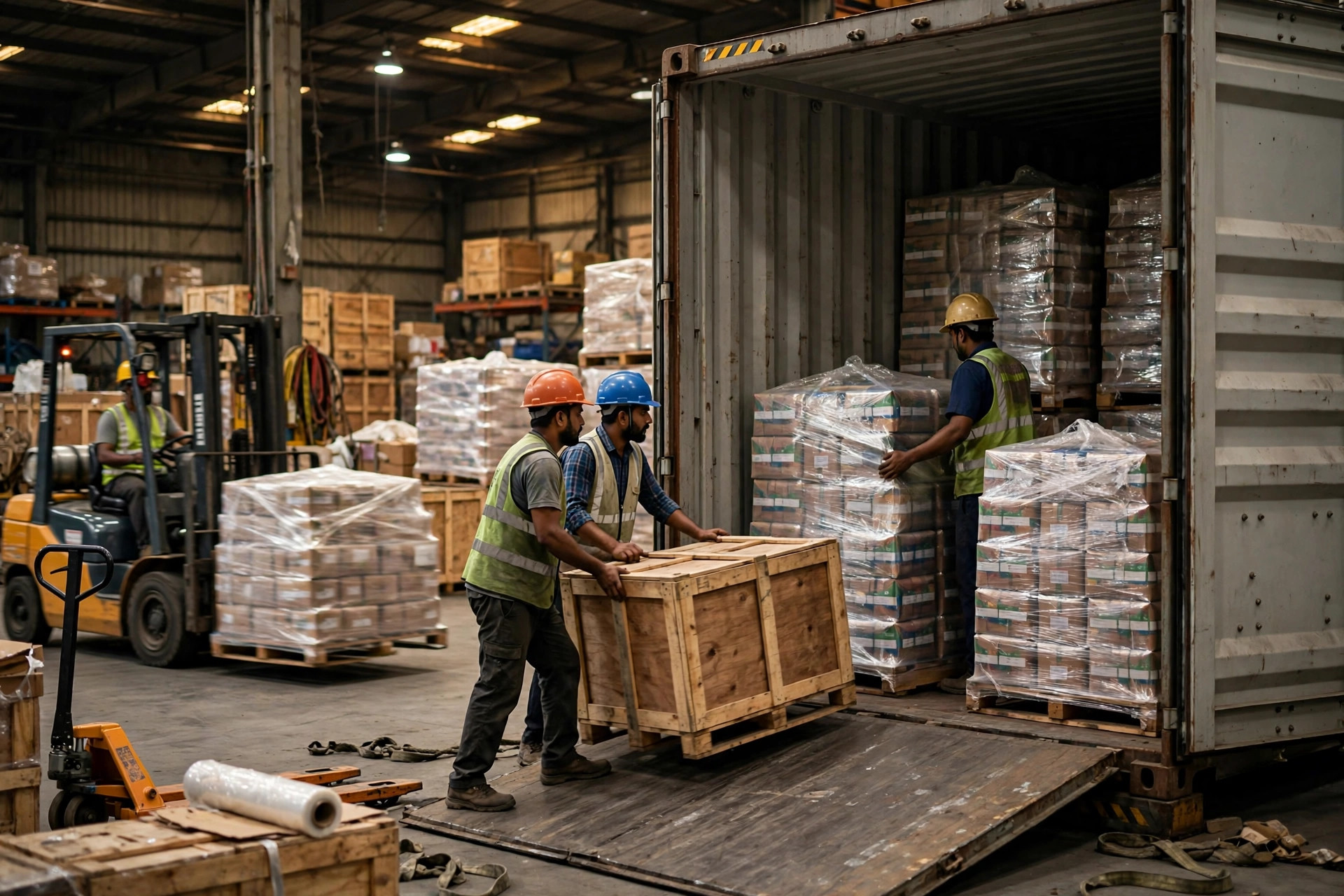
Write the gates into the purchase order itself, with consequences. State the AQL level you will inspect to, who performs each inspection, and what happens on a failure: rework at the factory's cost, re-inspection charged back to the factory, and shipment held until the re-inspection passes. For first orders with a new factory, consider a factory audit before production starts. It answers the capacity and compliance questions that a later inspection cannot. None of this is adversarial. The factories that welcome written gates are the factories you want. The ones that resist them have just told you something valuable.
A resilient supply chain in India is not built in a quarter. It is built order by order: one verified factory, one written spec, one split order, one inspected container. Start with your highest-risk SKU this month. By this time next year you will have a supply chain that bends instead of breaking, and a cost structure you can defend with a spreadsheet instead of crossed fingers.
Frequently Asked Questions
How long does it realistically take to build a resilient supply chain in India?
For a single product line, budget four to six months from first factory shortlist to a delivered, inspected container. That covers vetting, sample approval, trial production, and the sea-freight leg. Qualifying a second supplier for the same SKU then takes roughly half that, because your specification and inspection criteria already exist. Plan the program SKU by SKU rather than trying to switch everything at once.
What order volume makes a dual-supplier strategy work?
It works from surprisingly small volumes. A 70/30 split across two factories can start at one 20ft container per order split into two factory lots. The constraint is not volume but management effort: two suppliers mean two spec sheets, two inspection visits, and two relationships to maintain. Below one container per quarter per SKU, the effort usually outweighs the protection, and a single well-vetted supplier with strong inspection gates is the better call.
How do I protect my designs when working with two factories?
Never give the complete design package to both factories at once. Split the critical intellectual property (unique hardware, proprietary finishes, artwork) so each supplier holds only part of the picture, and finalize key components through a trusted intermediary. Use written non-disclosure and non-compete clauses in your manufacturing agreements, and register your designs in your home market before any tooling is made. Practical protection beats legal protection; both together is best.
What does a sourcing agent do that I cannot do from my desk?
Speed and presence. An agent walks the factory floor this week instead of waiting for a visa, sits through the pre-production meeting in the local language, checks the moisture meter against the factory's own readings, and is at the loading dock when the container seals. From a desk you get emails and photos. From the ground you get what is actually happening. For most buyers, that difference is where the money is.

Published by QualityLink Global Sourcing Team
Operating directly out of Jodhpur and Jaipur, Rajasthan. Our team provides hands-on supplier verification, factory audits, moisture testing, quality control, and container loading supervision across North India.
Need On-the-Ground Sourcing or QC Support in India?
If you have a prospective supplier in Rajasthan or North India, an active production run, or upcoming container loading, we can step onto the factory floor to verify specs and eliminate export risks.