Why Verification Matters More in India
India has thousands of genuine, capable manufacturers who produce excellent products for export. It also has businesses that exaggerate their capabilities, misrepresent their identity or simply cannot deliver what they promise. The difference between a successful sourcing experience and a costly mistake often comes down to one thing: verification before commitment.
Step 1: Check the Business Identity
Before anything else, confirm the company actually exists as a legal entity. Ask for:
- GST registration certificate
- Import Export Code (IEC) if they claim to export
- Company registration documents
- PAN card details
- Business address that matches their website and communications
Cross-reference the GST number on the Indian government's GST portal. Check the IEC on the DGFT website. These are public databases that confirm whether the business is registered.
Step 2: Verify the Physical Location
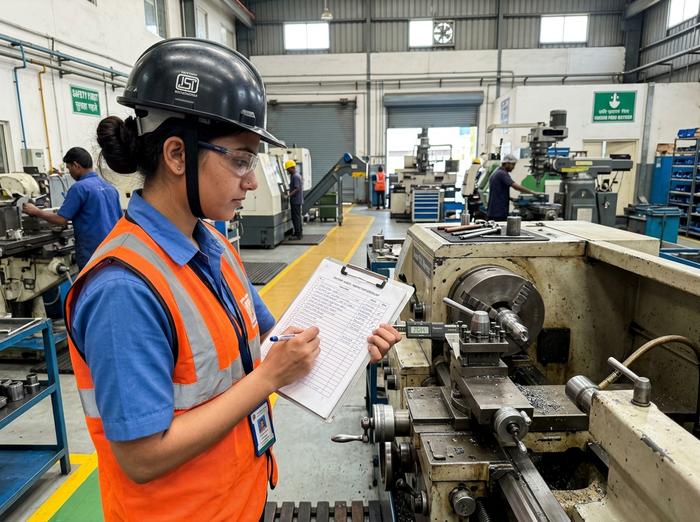
Many problems arise from traders posing as manufacturers. A simple Google Maps check can reveal whether the address is in an industrial area, a residential neighbourhood or a commercial district. Ask for photos of the factory exterior, interior and production area. Better yet, arrange a physical visit — either yourself or through a local sourcing agent.
Step 3: Request Real Production Evidence
Ask for:
- Recent production photos (not stock images from websites)
- Videos of the production process
- Examples of products they have exported
- References from previous international buyers
- Packaging and shipping photos
A genuine manufacturer will have no problem providing this evidence. Reluctance or vague responses are warning signs.
Step 4: Evaluate the Sample
Never commit to production without evaluating a physical sample. The sample should:
- Match the specifications you discussed
- Represent the actual quality they can produce consistently
- Arrive within a reasonable timeframe
- Be accompanied by material and finish details
Pay for samples. It is a small investment that prevents much larger losses.
Step 5: Check Export History
Ask which countries they have exported to, what quantities, and for how long. Request copies of previous shipping documents (with sensitive information redacted). An experienced exporter will have established processes for documentation, packing and logistics.
Step 6: Assess Communication and Professionalism
How quickly do they respond? Do they answer questions directly? Are they transparent about pricing, lead times and limitations? Professional communication is a reliable indicator of how they will handle production issues.
Step 7: Start Small
Even after verification, start with a trial order. This tests their actual production capability, quality consistency, packing, documentation and shipping process. A successful trial builds confidence for larger orders.
Red Flags to Watch For
- Prices significantly below market average
- Unwillingness to allow factory visits
- No export history despite claiming international experience
- Pressure to send full payment upfront
- Stock photos instead of real production images
- Inconsistent or evasive answers about capacity
- No GST or IEC documentation
When to Use a Third-Party Verification Service
If you cannot visit the factory yourself, consider engaging a local sourcing agent or third-party inspection company to verify the supplier on your ground. This is a standard practice in international trade and a worthwhile investment for any significant order.
How We Help
QualityLink Global provides supplier verification services across Rajasthan and North India. We physically visit factories, verify business documents, assess production capability and provide honest, photo-supported reports. Learn about our verification service or get in touch.
Need Help with India Sourcing?
QualityLink Global is a Jodhpur-based sourcing agent and QC specialist. First consultation is free.
Get In Touch