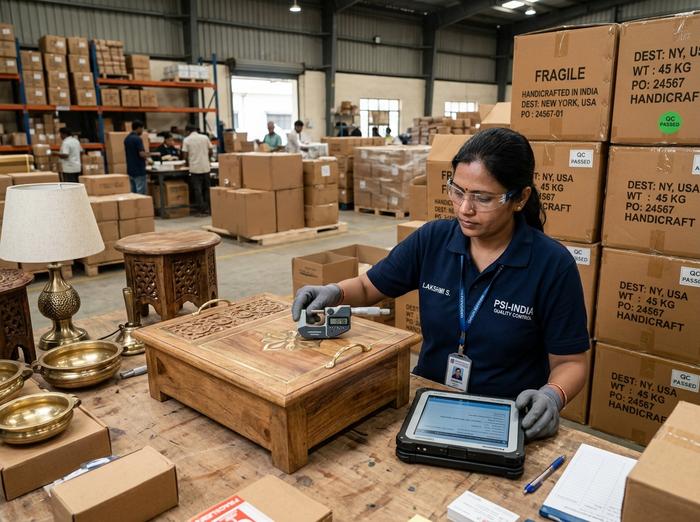
If you've ever seen an inspection report, you've seen references to AQL levels. But what do these numbers actually mean, and how do they affect what gets checked?
What AQL Stands For
AQL stands for Acceptable Quality Limit (or Level). It's an internationally recognized sampling standard (ISO 2859) that determines how many products to inspect from a batch, and how many defects are acceptable before the batch fails.
How Sample Size Works
The sample size depends on the total batch quantity. For example, if you're inspecting 5,000 units, AQL level 2.5 requires checking 200 units. If 6 or fewer are defective, the batch passes. If 7 or more are defective, the batch fails.
Common AQL Levels
- **AQL 1.0**: Strict — used for high-value or safety-critical products
- **AQL 2.5**: Standard — most common for consumer products
- **AQL 4.0**: Relaxed — used for low-value items where some defects are tolerable
What Counts as a Defect?
Defects are categorized as: Critical (safety hazard — always zero tolerance), Major (product won't function or doesn't meet specification), and Minor (cosmetic issue that doesn't affect function). Different AQL levels apply to each category.
Limitations of AQL
AQL sampling provides statistical confidence, not absolute certainty. It's possible for a defective batch to pass or a good batch to fail. But over many inspections, AQL provides reliable quality control.
Need Ground-Level Sourcing or Quality Control in India?
QualityLink Global is based in Jodhpur. We perform on-site factory audits, pre-shipment inspections, and container loading supervision across Rajasthan and North India.
🛒 Related Products & Services
Interested in sourcing these products? We are based in Jodhpur and can help. Get a free quote →