India's spice export industry is highly organised, with established quality standards and certification systems. Here's what importers need to know about quality, compliance, and logistics.
Quality Grading
Indian spices are graded by: purity (absence of foreign matter), moisture content, volatile oil content (flavour intensity), ash content, and size uniformity. The Spice Board of India provides official grading and certification.
Key Quality Standards
For export, spices must meet: FSSAI (Food Safety and Standards Authority of India) requirements, destination country food safety regulations (FDA, EU, etc.), and any organic or specialty certifications claimed.
Organic Certification
India is one of the world's largest organic spice producers. Certification is available through: India Organic (NPOP), USDA Organic, and EU Organic. Each requires documented traceability from farm to processor.
Packaging for Export
Standard packaging: multi-wall paper bags with inner poly lining (25kg or 50kg). Retail packaging requires proper labelling with: product name, origin, weight, ingredients, best-before date, batch number, and nutritional information.
Major Export Categories
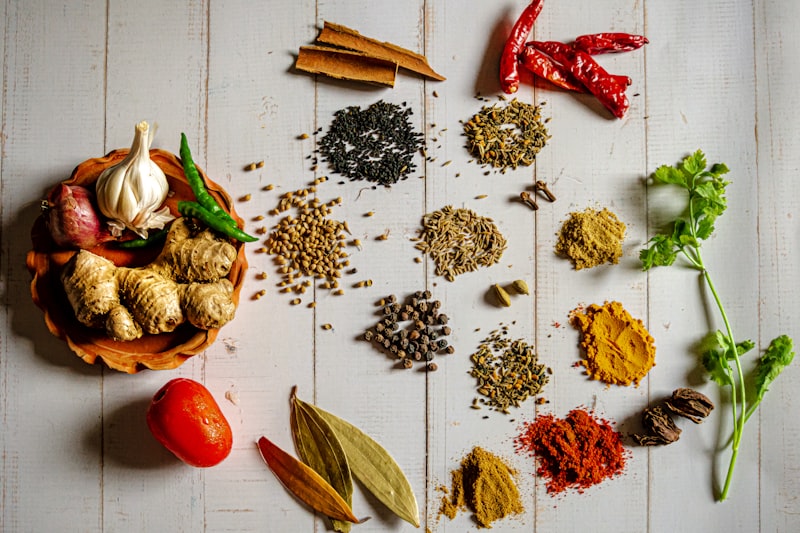
India's top spice exports include: chilli, turmeric, cumin, coriander, black pepper, cardamom, ginger, fennel, fenugreek, and spice blends (garam masala, curry powder). Each has specific quality parameters.
Need Ground-Level Sourcing or Quality Control in India?
QualityLink Global is based in Jodhpur. We perform on-site factory audits, pre-shipment inspections, and container loading supervision across Rajasthan and North India.
🛒 Related Products & Services
Interested in sourcing these products? We are based in Jodhpur and can help. Get a free quote →