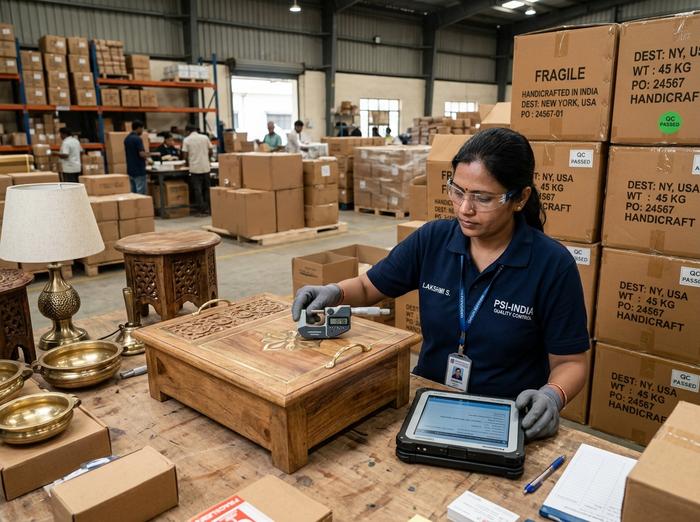
Samples are the bridge between a promising supplier listing and a real product in your hands. They're the single most important step before committing to a production order, and yet many importers rush through this process or skip it entirely.
How to Request Samples Properly
Send a clear product specification sheet with dimensions, materials, colours, finishes, and reference images. Specify exactly how many samples you need and whether you're willing to pay for them. Most factories will provide 1-3 free samples for serious buyers, but they'll charge for custom designs or expensive items.
What to Pay For
Sample costs are usually minimal compared to the value they provide. We always recommend paying for samples — it signals that you're a serious buyer and ensures the factory gives proper attention to your samples.
Evaluating Samples When They Arrive
Check dimensions against your specifications. Examine finishing quality — is the paint even? Are the joints tight? Is the sanding smooth? Test weight and structural integrity. Compare colour against your reference images. Test functionality (drawers open/close smoothly, doors fit, etc.).
Common Sample Issues
Sometimes samples are excellent but production quality drops. This is called 'sample bait-and-switch' and it happens more often than you'd think. That's why production inspections matter — you need to verify that the goods being manufactured match the approved samples.
Document Everything
Keep samples, take photos, and get written confirmation from the supplier that production will match the approved samples. This documentation becomes critical if quality issues arise later.
Need Ground-Level Sourcing or Quality Control in India?
QualityLink Global is based in Jodhpur. We perform on-site factory audits, pre-shipment inspections, and container loading supervision across Rajasthan and North India.
🛒 Related Products & Services
Interested in sourcing these products? We are based in Jodhpur and can help. Get a free quote →