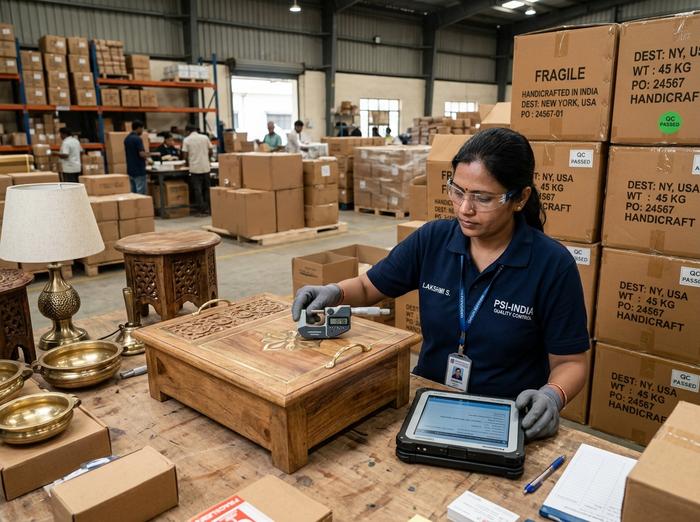
Receiving defective products is stressful and costly. But it's also a normal part of international trade. How you handle it determines whether you salvage the relationship or lose both money and supplier.
Immediate Steps
1. Document everything: photos, videos, measurements, count of defective items
2. Review your purchase order and agreed specifications
3. Contact the supplier immediately with evidence
4. Don't accept or reject the goods formally until you've communicated
Negotiating Compensation
Common resolution methods: price reduction on current order (typically 5-30% depending on defect severity), replacement products in the next shipment, rework at the factory's cost, or in extreme cases, full rejection and refund.
What's Reasonable
A 2-5% defect rate is generally considered acceptable in most manufacturing. Above that, you have grounds for negotiation. The severity matters — a minor cosmetic issue is different from a structural failure.
Prevention Is Better Than Cure
The best way to handle defects is to prevent them: clear specifications, production inspections, and quality clauses in your purchase agreement. Many quality disputes can be avoided entirely with better upfront communication.
When to Walk Away
If a supplier consistently delivers defective products despite repeated communication and agreed improvements, it may be time to find a new supplier. Continuing with a problematic supplier usually costs more in the long run than switching.
Need Ground-Level Sourcing or Quality Control in India?
QualityLink Global is based in Jodhpur. We perform on-site factory audits, pre-shipment inspections, and container loading supervision across Rajasthan and North India.
🛒 Related Products & Services
Interested in sourcing these products? We are based in Jodhpur and can help. Get a free quote →